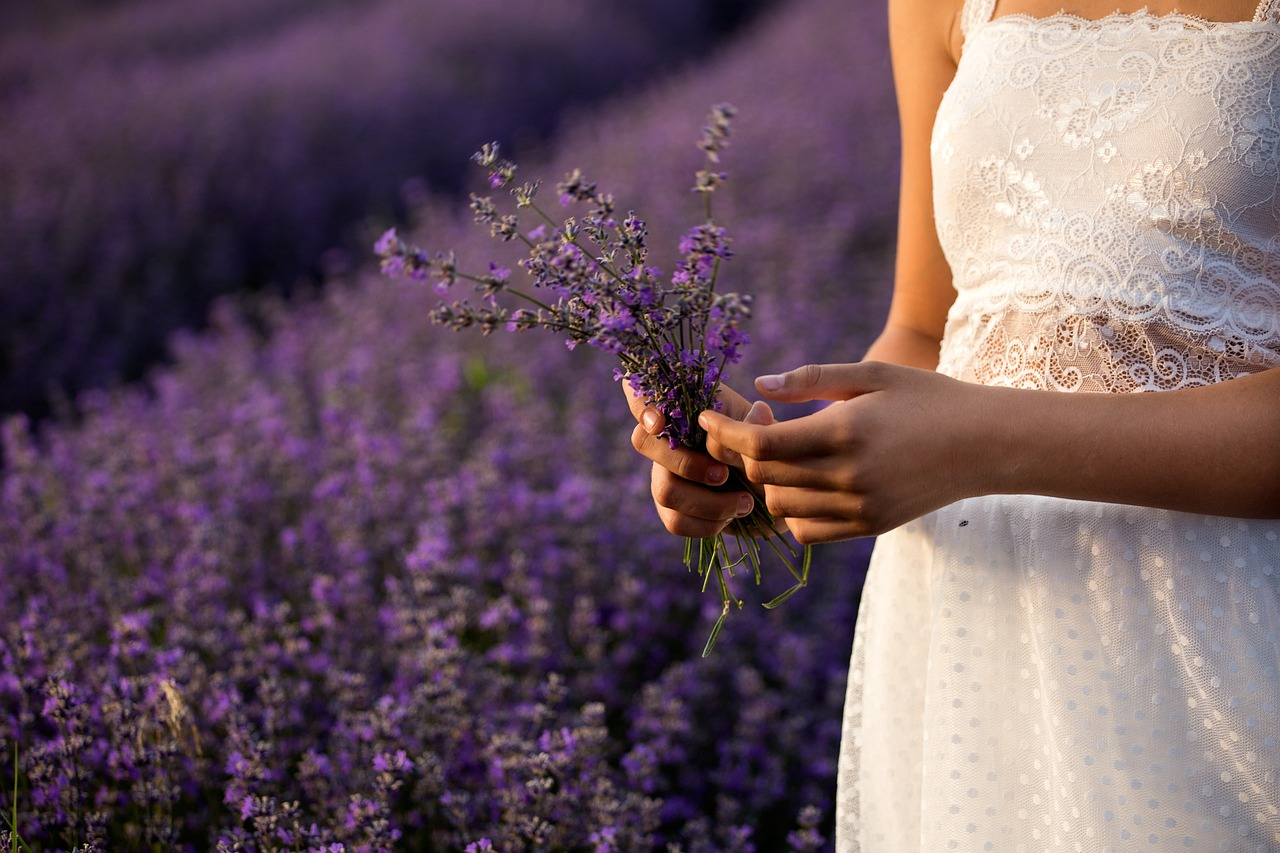
Lavender is one of the most fulfilling perennial herbs to add to your garden. The shrubby plants attract bees and butterflies and add beauty to the landscape.
You can use them for DIY personal care products, add to your bathwater, create gorgeous bouquets, and even use them to enhance an herbal smoke or dry-herb vape mix.
This post contains affiliate links. As an Amazon affiliate, we earn from qualifying purchases at no extra cost to you.
Types of Lavender
Lavender (Lavandula spp) comes in a variety of subspecies, including:
- English Lavender (Lavandula angustifolia) is the most common type. It is sometimes called “Vera” or “True Lavender.” This type of lavender features grayish leaves, purple blossoms, and a sweet flavor.
- Munstead is a dwarf English variety that tolerates hot climates well.
- Hidcote Blue is a subspecies of English lavender that is more compact and useful for hedging or planting in smaller gardens or containers.
- Hidcote Pink has similar qualities to its blue sister but sports lovely pink flowers.
- French Lavender (Lavandula dentata) has a strong pine and camphor scent and is used primarily for its perfume rather than cooking.
- Spanish Lavender (Lavandula stoechas) has distinct blossom shapes that are prized for floral arrangements.
- Lavandin (Lavandula x intermedia) is a hybrid cross between English lavender and spike lavender. The plants exhibit both heat and cold tolerance. Grosso and Provence are the most common types of Lavandin.
- Edelweiss varieties produce tall lavender plants that require plenty of space to spread.
Best Conditions for Growing Lavender
Native to the western part of the Mediterranean, lavender requires full sun and well-drained soil. However, lavender plants appreciate afternoon shade in hot climates or mid-summer sun.
The plants thrive in low to moderately fertile soil that is neutral to slightly alkaline (pH 6.7 to 8). The easiest way to determine the pH of your soil is by purchasing a soil meter or pH testing kit. If you find that your soil is acidic, adding bonemeal, limestone gravel, or crushed oyster shells can help make it more alkaline.
Plant lavender in spring or early summer after the frost passes in most areas. However, you may want to wait until early fall if you live in an especially hot and humid climate.
Lavender plants can grow rather bushy, so you’ll want to space them at least 1-3 feet apart. Overcrowding lavender plants will reduce airflow and can retard growth.
Lavender may do better in containers or raised beds in wet environments. While it’s possible to grow lavender indoors, the plants prefer to be outdoors.
Starting Lavender from Seeds
Growing lavender from seed can be tricky, but starting from seeds will give you access to varieties that you may not find in your local nursery.
Lavender seeds need light to sprout, so cover them with as little soil as possible. Place the seeds in a warm spot or inside on a sunny windowsill. Be patient, as it can take up to one month for lavender seeds to germinate.
Keep the seeds moist, but be certain that they receive adequate airflow. Too much moisture will encourage fungus, and your seeds may rot.
Your seedlings will be ready to transplant into the garden once they reach around 3 inches tall, which can take 1-3 months. Place your seedlings in the area where you plan to plant them for several days before putting them in the ground.
Planting Lavender Outside
Adding builder’s sand, perlite, or fine limestone to the soil may improve drainage. But if your soil has an exceptional amount of clay, you’ll be better off planting your lavender in raised beds or containers.
You’ll want to place your lavender near other plants with similar requirements. Suitable companion plants for lavender include sage, Artemesia, thyme, poppies, echinacea, oregano, and roses. Lavender is excellent for planting near broccoli and cabbage for pest control.
Caring for Lavender Plants
While germinating lavender seeds can be a challenge, caring for the plants is simple once they’ve established themselves.
The woody plants only grow to 1-3 feet tall, and they don’t need support.
Lavender plants thrive when you let the soil dry between. Overwatering is one of the primary killers of lavender. Make sure the first two inches of the soil is dry before watering.
There is usually no need to fertilize or mulch. However, you may want to add pebbles or a well-draining mulch to your lavender plants to help them endure winter frosts.
Cut off flowers after the blossoms fade. This will encourage the plant to continue flowering.
After they reach two years old, you’ll want to prune your plants to about ⅓ of their height. Pruning this way stimulates the plants to grow new fragrant shoots. Make sure you leave plenty of tender parts. If you prune all the way back to the woody stems, your lavender plants may not recover.
Lavender Pests and Diseases
Lavender plants are naturally pest and deer-resistant. However, you’ll need to give lavender plenty of space to prevent fungal growth, especially if you live in a humid area.
You can keep the occasional beetles, aphids, spittlebugs, and whiteflies in check by spraying your plants with pet-safe insecticidal soap.
Propagating Lavender
Fortunately, lavender plants will self-sow if you allow some of the flower heads to develop instead of cutting them off.
You can clone lavender by coating cuttings with rooting powder and placing them directly into moist soil or sand. Protect clones in partial shade until they establish themselves.
You can also propagate lavender by layering. This technique involves bending a healthy stem to the ground, removing the leaves, and cutting a tiny opening where the stem touches the ground.
Add rooting hormone to the wound, and cover the spot with soil. Do not remove the stem from the mother plant. By the next growing season, your new plant should be rooted. Your new lavender baby will now be ready to separate from the original plant and be transplanted elsewhere in your garden.
Harvesting Lavender
Most gardeners harvest gradually, clipping every third stem. This will keep your plant beautiful and continue producing flowers. Well-established lavender specimens can produce up to 1000 blossoms per plant.
Drying lavender is simple. Tie several stems together and hang them upside down in a dark area with plenty of ventilation to prevent mold.
Written by Cat Winske
Image by Kat from Pixabay