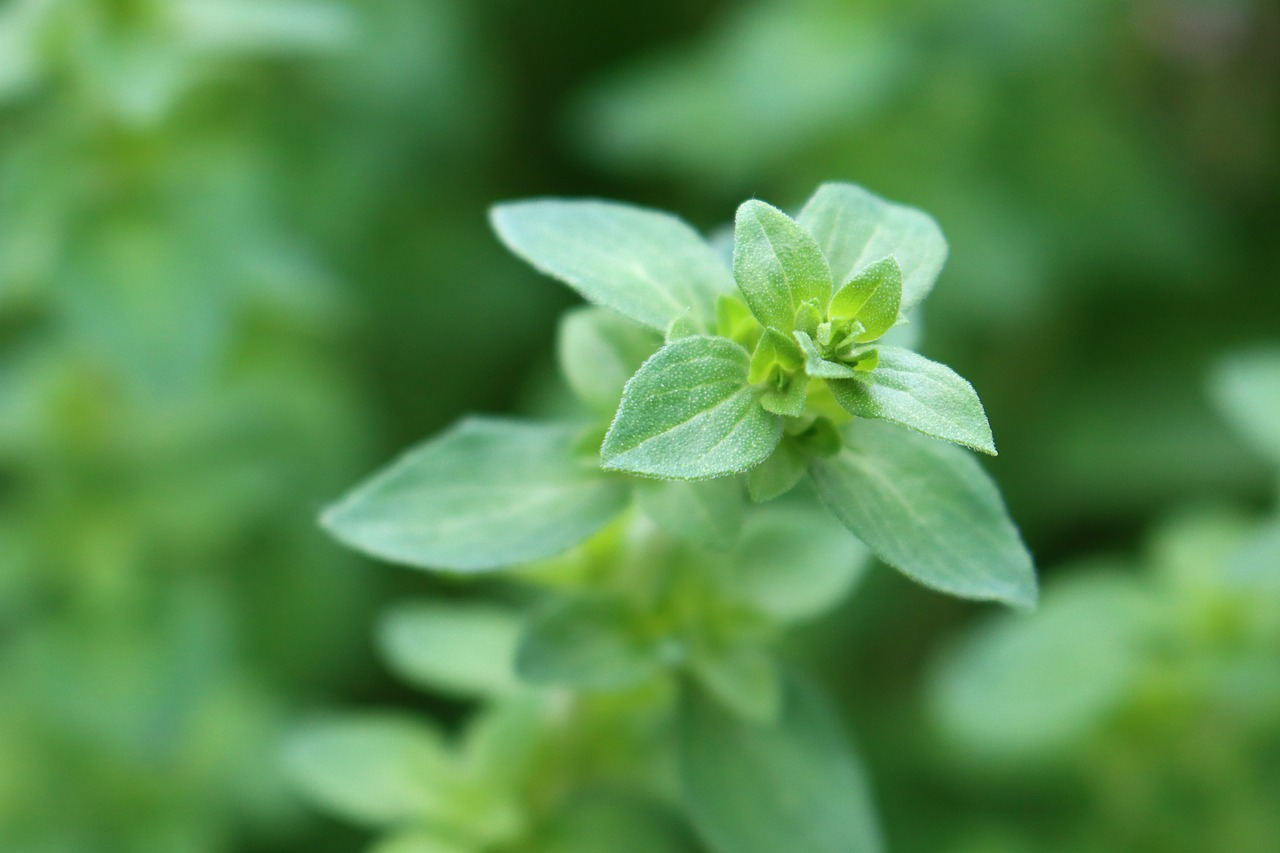
Oregano, or Originam vulgare, is an essential herb in diverse culinary traditions, including Spanish, Greek, Mexican, and Italian cuisine. Researchers have also found that oregano has health benefits, such as aiding digestion and soothing sore throats and coughs. Additionally, oregano exhibits potent antibacterial properties and makes an excellent ingredient for DIY insect repellents.
The perennial oregano plant will supply your kitchen with delicious flavor year after year. Additionally, oregano rewards gardeners with dainty pink, white, and purple flower clusters each summer, adding colorful touches to the landscape.
Types of Oregano
Italian and Greek oregano are the most common types of oregano for Mediterranean cooking styles. Mediterranean oregano prefers dry soil and full sun but will adapt to partial shade.
Golden oregano is ideal for indoor growing and shady gardens. Mexican oregano is essential to traditional dishes like pozole, a soup made from hominy and meat topped with lettuce, radishes, oregano, and chile powder.
Marjoram is a member of the oregano family with a slightly milder flavor. Wild zaatar is a type of oregano that grows in arid areas of Lebanon.
Note: This post contains affiliate links. As an Amazon affiliate, I earn from qualifying purchases at no extra cost to you.
Planting Oregano
Oregano thrives both indoors and outside. Hearty oregano plants thrive in warm, semi-arid climates, but they adapt well to cooler temperatures. However, gardeners living in subtropical and tropical climates will need to grow oregano plants in pots indoors or under a shelter to protect them from excess moisture.
In cooler climates, it’s best to start oregano plants indoors. Placing oregano near a south-facing window that receives direct sunlight at least 5 hours per day is ideal. If you plan to keep your oregano indoors, you’ll need to ensure that the plants have plenty of room, as they tend to trail in search of light. Alternatively, you can grow oregano under fluorescent or LED grow lights.
You can start oregano seeds or seedlings in 6-inch pots and transplant them into larger containers or your flower bed when they require more room. Plant seeds or seedlings about 14-18 inches apart so they have room to spread. After your plants reach about 4 inches tall, pinch or trim the center leaves of each branch to encourage lateral growth. By gently pruning your plants, you can create oregano bushes reaching up to two feet tall and 18 inches around.
As with most herbs, oregano requires a well-draining soil mixture, or it can be prone to root rot and susceptible to pests. You can add sand or perlite to increase drainage if you’re working with dense potting soil in raised beds or pots.
Fabric pots work particularly well for oregano as they increase airflow. You can also squeeze excess moisture from the bottom of fabric pots after watering. Terracotta pots also work well for growing herbs like oregano.
Other than adequate drainage, oregano plants aren’t picky about soil quality. However, seedlings thrive in a slightly alkaline environment.
Oregano produces terpenes which attract beneficial insects called syrphidae. Syrphidae, or hoverflies, eat common pests like aphids, making them ideal for growing alongside peppers, cabbage, radishes, and strawberries. Low-growing oregano plants are also ideal for edgings and groundcover.
Caring for Oregano Plants
Most types of oregano prefer full sun. However, golden varieties do well in areas with partial shade. After your oregano plants are established in the garden, they will return each spring.
If you grow your oregano in pots, you can move them indoors during cooler months so you can enjoy this tasty herb all year. You’ll need to mist plants to provide humidity, as indoor heating sources tend to dry the air in your home.
That said, you never want to overwater your oregano plants. Always test the soil with your finger to see if your plants are ready for more water. You’ll be more successful if you let the soil dry out between waterings.
Oregano usually doesn’t require fertilizing. However, you can enhance the health and flavor of the herb by watering with liquid seaweed extract or compost tea 2-3 times during the growing season.
Oregano Disease and Pest Control
Oregano is susceptible to fungal infections. Thankfully, you can prevent most problems with adequate drainage, proper watering, and ample air circulation. If your plants develop circular spots, they may have a fungal condition called rust. Treat diseased plants by pruning the affected leaves and letting the soil dry.
Botrytis, or root rot, can also plague overly moist oregano plants. You can detect botrytis by checking to see if the older leaves near the stem look rotten. Unfortunately, the only solution for root rot is to destroy the plant so that the condition doesn’t spread to the rest of your garden.
If you notice yellow patches or leaves with distorted shapes, your oregano may have a problem with aphids or spider mites. You can pick pests off by hand or spray the leaves with water mixed with earth-friendly insecticidal spray. Remove any infected leaves so that the rest of the plant will thrive.
Slugs may prey on younger oregano plants. You can deter slugs by lining the tops of planters with copper tape.
Harvesting and Preserving Oregano
Gardeners can begin harvesting oregano for daily use once the plants reach around 6 inches tall. Pinching the new growth will also inhibit flowering, which helps the plant produce an abundance of fragrant leaves. Harvesting oregano in the morning will yield more flavorful herb for cooking.
At the end of the growing season, you can harvest entire plants. However, you’ll want to leave the roots for next year’s crop. Most gardeners harvest a portion of their oregano plants just before flowering time for optimum flavor. Other plants can be allowed to flower to enjoy the colorful blooms and provide seeds for the following season.
You can freeze oregano leaves to preserve them after harvest. Perhaps the best way to freeze herbs is by chopping them into smaller sizes and mixing them with water in an ice cube tray. You can pop out cubes as needed for soups and sauces.
Another way to preserve oregano is by placing full stems or chopped oregano into sterile glass canning jars and covering them with olive oil.
Propagating Oregano
Gardeners can propagate oregano by layering them, planting mature seeds, or taking cuttings and making clones.
You can easily create new seedlings through cloning your oregano plants:
- Using clean pruning sheers or scissors, take cuttings around 4-6 inches down from the top.
- Remove the bottom leaves and trim the stem at an angle.
- Add honey or a commercial rooting compound to the angled portion.
- Place cuttings in a small glass of water until they grow roots. Alternatively, you can place the cuttings directly into moist, loose soil or an organic seed starter. Water the cuttings daily until the roots are established.
While cloning is the easiest way to propagate oregano, you may want to grow new plants from seeds. This is helpful to diversify the genetic makeup of your oregano plants. Choose larger seeds for planting, as smaller specimens may be too immature to germinate.
Another simple way to propagate oregano is by layering. When trailing oregano plants hit the soil, they naturally send out roots from the site where the stem touches the ground. You can encourage this process by gently pushing trailing stems down and covering the section that hits the ground with soil. After the new plant has established roots, you’ll be able to separate it from the main plant and move it to a pot or another area of your garden.
Written by Cat Winske
Photo by Greg Wolgast from Pixabay