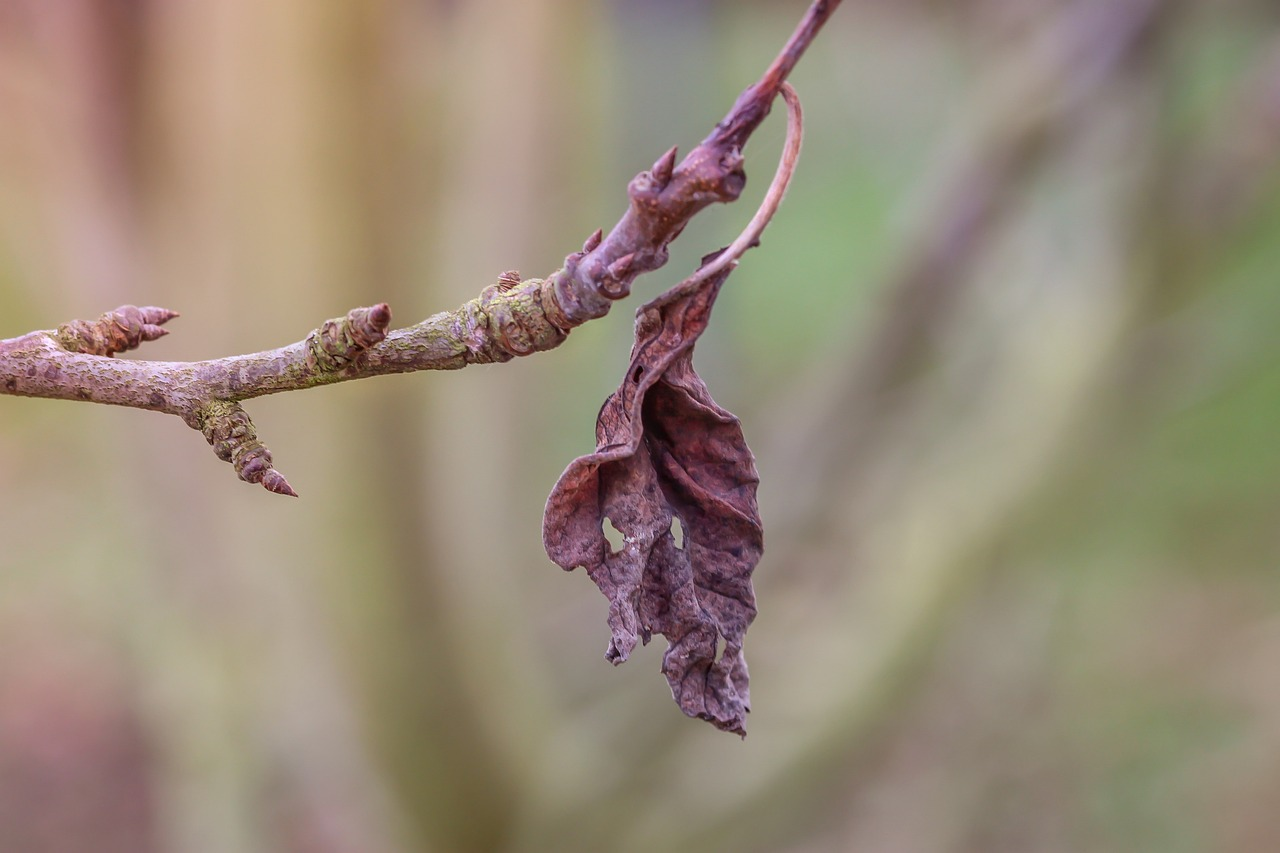
You’ve put your heart and soul into your garden all season, and suddenly, your plants begin to turn brown and die. You’ve become the victim of every gardener’s worst nightmare—Fusarium wilt.
What Is Fusarium Wilt?
Fusarium wilt is a tenacious soil-borne fungus that can infect and kill a wide range of garden plants. Along with cannabis, cacti, flowers, and woody ornamentals, fusarium wilt preys upon common fruits and vegetables, including:
- Tomatoes
- Legumes
- Potatoes
- Cabbages
- Eggplants
- Peas
- Melons
- Asparagus
- Peppers
There are a range of fusarium subspecies that affect different types of plants. For example, Fusarium pisi affects peas, and Fusarium oxysporum infects flowers in the carnation family.
Fusarium wilt has been the culprit in a host of epic crop failures. The most famous was Panama Disease, which nearly wiped out every banana tree in Central and South America.
Symptoms of Fusarium Wilt
Fusarium wilt typically appears in the hottest portion of the growing season. Once temperatures begin to cool, plants are less vulnerable to the disease. The fungus restricts water flow inside infected plants, stunting their growth and causing older leaves to turn yellow and wilt. Fusarium wilt often appears on one side of the plant in the beginning.
The latter stage of the disease is characterized by the foilage turning brown and dying. The insides of stems and stalks may have dead pink tissue or brown rings, indicating a fusarium infection. Some plants also show signs of root rot, such as blacked stem bases.
Unfortunately, there is no cure for fusarium wilt, including most commercial fungicides. Pre-application of a fungicide called Mycostop can help protect your plants, but the most efficient solution for the disease is prevention.
This post contains affiliate links. As an Amazon Associate, I earn from qualifying purchases.
10 Ways to Prevent Fusarium Wilt
1. Start with Clean Seeds and Bulbs
Hot water and fungicide can be helpful to prevent fusarium wilt from developing.
2. Grow Fusarium Resistant Varieties
Fusarium-resistant cultivars have the letters “FNV” on their labels. This designation signifies that the plants resist Fusarium, nematodes, and Verticillium, another fungal pest. Other labels to look for are “F,” “FF,” or “FFF.” Each letter represents a distinct type of fusarium that the plant will resist. Additionally, you can find grafted versions of many vegetables with fusarium-resistant stems.
3. Treat the Soil Before Planting
You can help prevent fusarium wilt by treating the soil with a process called soil solarization before planting your vegetables. You can solarize your soil by covering it with clear plastic sheeting for 4-6 weeks during the hottest part of the season. This technique heats the top layers of the soil, killing pathogens like fusarium wilt.
4. Provide Adequate Drainage
Fungal disorders love moist environments. Planting in mounds or raised beds is one way to increase drainage. You can also add sand or perlite to the soil. Avoid flooding the plants when watering, as this will also encourage erosion. Eroding the topsoil encourages the plant to form shallow, easily infected roots.
5. Keep Debris Away
Gardeners should avoid using mulch and keep debris away from plants prone to fusarium infections. You’ll also need to ensure that the compost you use is free of large, undecayed matter. Garden beds should be weeded regularly as weeds can encourage fusarium wilt development.
6. Avoid Over-Application of Fertilizers
Excessive fertilizer use can invite fusarium infections. High-nitrogen fertilizers that contain urea are particularly harmful to plants that are susceptible to fusarium wilt. It’s best to use a slow-release, organic fertilizer to prevent the disease.
7. Keep Garden Pests Under Control
Pests like cucumber beetles not only cause direct damage to your plants but also spread fusarium wilt. The best prevention is to provide an optimum environment for your vegetable garden and apply an organic insecticide when necessary.
8. Use Clean Tools
It’s crucial to clean tools like pruning sheers between cuttings. You can use isopropyl alcohol or a water and bleach solution to sterilize your tools. Dirty tools can spread disease from one plant to another. You’ll also need to regularly clean your footwear to avoid spreading fusarium-contaminated soil around your garden.
9. Remove Infected Plants
It’s crucial to remove any infected plants from your garden immediately. Make sure that you throw away the plants. Adding infected plants to your compost pile can provoke future fusarium infections. Discard pots that contained infected plants or treat them with a heavy-duty disinfectant fluid.
10. Replant the Area with Different Plants
After removing and destroying all infected plants, you can replant the area with members of a different plant family. For example, you may want to turn an area of infected tomatoes into a bed of sun-loving flowers.
So, there you have it—10 easy ways to keep fusarium wilt away from your precious plants. Happy gardening!
Written by Cat Winske
Photo by Tom from Pixabay