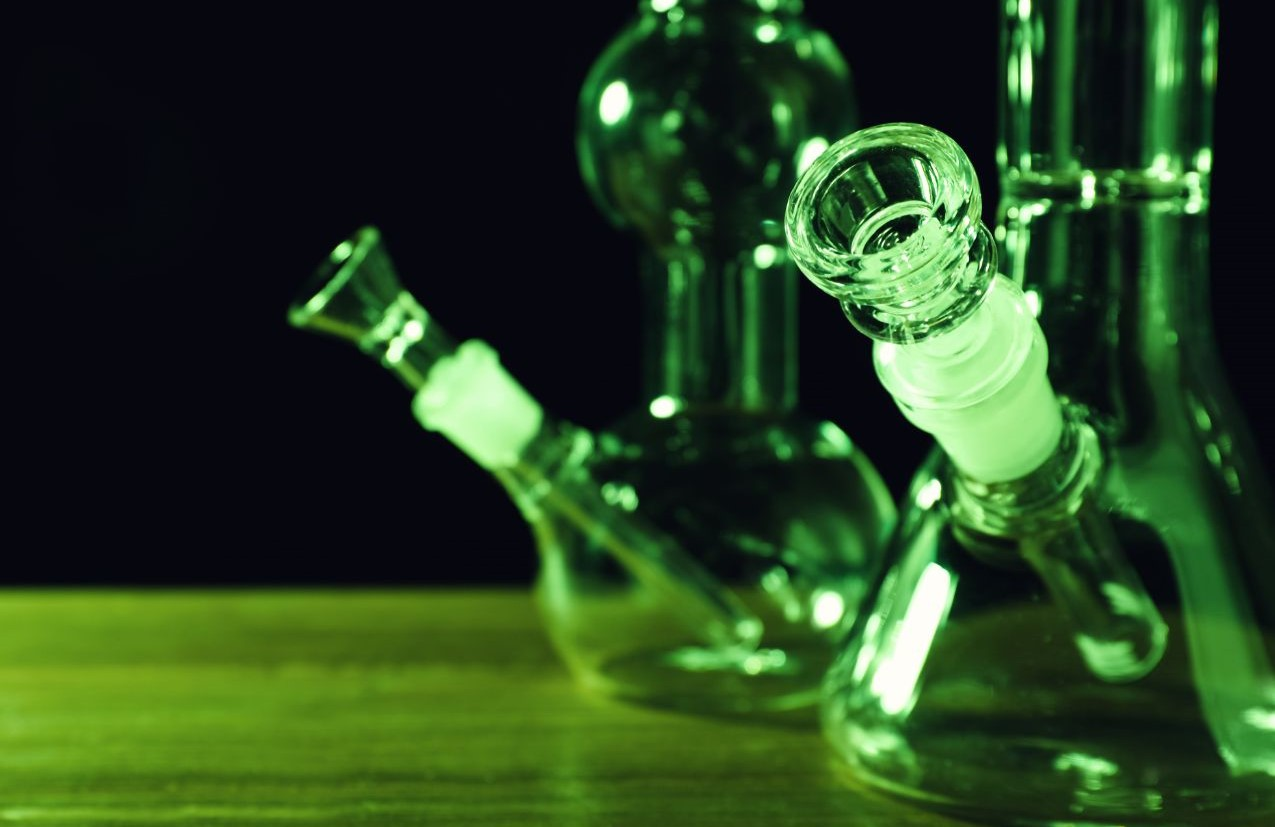
Percolator bongs offer some of the smoothest hits for smoking cannabis. Percolators, often called percs, help cool the smoke and may also reduce the number of carcinogens in your toke.
Percolators come in a dizzying array of styles, although the mechanisms are relatively straightforward. You’ll also find bubblers and dab rigs with percolators.
We’ve put together this guide so you can understand the types of percolators available and know how to take care of your new glass piece once you get it home.
Types of Percolators
Diffused Downstem
The simplest percolator lies at the end of the glass tube where the bowl is inserted. This tube is called the downstem. Some downstems are fixed, but others are removable, making them easier to clean. A typical downstem is smooth glass, while a diffused downstem has slits where the glass hits the water. If your downstem is removable, you can add extra filtration to your bong by swapping your smooth downstem for a diffused one.
Tree Percolators
Tree percolators use more than one slitted tube to filter the water further. A typical tree perc features from one to 10 tubes, also called arms or branches. However, you may find bongs with tree percolators featuring up to 64 arms! Tree percs include single-tree percs, double-tree percolators, and pillar styles.
Turbine Percolator
A turbine percolator has slits around the main chamber of the bong instead of in the downstem. The turbine transfers smoke from one portion of the main chamber to another, creating impressive visual effects along with advanced filtration. Some bongs have multiple turbines to increase filtration.
Dome Percolators
A dome perc consists of a pillar, similar to a pillar-style tree percolator, covered with a glass dome. After the smoke passes through the pillar, it fills the dome before sending it into a larger chamber.
Inline Percolators
Like diffused downstems, inline percs are comprised of one tube with slits, giving them the appearance of oil lamps. You’ll often find them on stemless bongs in combination with other types of percolators. Bongs with only a single inline perc aren’t the best for filtering smoke. However, an inline percolator combined with another type of perc can be a winning combination.
Variations of inline percolators include gridded upline percs and downline models.
Disk Percolator
Disk percolators have slits or holes inside that create bubbles, diffusing the smoke before it hits your lungs. Disk percs do an excellent job at filtration. However, the tiny holes can get clogged, requiring more frequent cleaning. Disk percolators often contain more than one disk. Double-disk and fritted-disk percolators are among the most common types.
Honeycomb Percolators
Honeycomb percolators are a popular subtype of disk perc. These mechanisms include one or more disks that feature a network of 30 or more holes. The disks appear similar to a honeycomb or kitchen grater. Bongs with honeycomb percolators excel at filtration and shoot an impressive array of bubbles upwards when you toke. You’ll usually find honeycomb percs on stemless bongs.
Ratchet Percolators
Ratchet percolators are simplified honeycomb percs fitted for smaller glassware like bubblers and dab rigs. Ratchet percs have perforations along the edge instead of on the entire disk. This allows room for the downstem to dip through the center of the disk.
Circle Percolator
Circle, or circ, percolators look similar to disk percs, except that the slits are on the outside of the disk. Some bongs have circ percs in the main chamber, but you’ll more typically find them at the end of the downstem.
Barrel Percolators
Barrel percs are easy to recognize as the cylindrical form and pattern of notches make them look like wine barrels. Most barrel perks sit vertically in the chamber, but some are turned horizontally and connect directly to the downstem.
Showerhead Percolators
Showerhead percolators combine the technology of both turbines and barrel percs. The showerhead mechanism is made up of one circle with either holes or slits for filtration. Showerhead percs filter smoke and reduce drag, making hitting the bong easier.
Matrix Percolator
Matrix percolators combine characteristics of both disk and barrel percs. Although the name sounds complicated, the matrix perc is a simple glass cylinder with minuscule filtration holes. You’ll also find stereo matrix percolators, which include two stacked matrix percs.
Spiral Percs
Spiral or coil percolators look like a spring and are usually made of borosilicate glass. You’ll also find bongs with glycerin coils. You can freeze glycerin coils, giving you an exceptionally fresh and cool draw.
Swiss Percolators
You’ll find Swiss percs in the bulbous part of some bong chambers. These mechanisms feature a series of bullet-sized indentations, creating a Swiss cheese-like effect. The smoke flows around the indentations, breaking up the smoke and reducing drag. This results in an easier, cleaner hit. You’ll also find Swiss percs arranged in a pillar formation or in coveted “Fabergé Egg” bongs.
Donut Percolator
Donut percs work like Swiss types, except they only have one hole. You’ll find donut-style percolators within typical glassware, or the entire bong may be shaped like everyone’s favorite high-calorie dessert.
UFO Percolator
UFO percs have flattened bubble bodies with slits in the bottom. When in use, the smoke filters through the base, giving the appearance of a UFO beaming up its cargo.
Cross Percs
Also called “screw percolators,” cross percs are comprised of tiny glass knobs incised with crossed slits.
Jellyfish Percolator
Jellyfish percolators are as effective for filtration as they are fun to look at. Like the marine animal, a jellyfish perk has a central chamber with a series of tentacle-like rods coming down the bottom. Each rod has a single hole at the end.
Sprinkler Percolators
Comprised of an array of upright tubes, sprinkler percs look like something you might find at the bottom of the sea. Manufacturers usually place sprinkler percs near the bottom of the bong to keep water from splashing into the mouthpiece.
Cube Percolators
Cube percs are simple devices comprised of a cube-shaped mini-chamber attached to the downstem.
Ash Catchers
Ash catchers are handy accessories you can add to your bong. Glass ash catchers can use any of the above mechanisms. You attach them to the smoking end of the pipe or bong.
While we’ve tried to cover the basic percolator styles, bong manufacturers are constantly innovating. So, you’ll want to keep your eye open for new percolator styles.
How to Clean A Percolator Bong
Although they offer some of the smoothest tokes available from a smoking device, percolator bongs can be a challenge to clean. They have many small parts that often can’t be removed for traditional bong cleaning. Tree percs can be especially difficult to clean.
Although some bongs with percs aren’t as difficult to maintain. Honeycomb percolators can be surprisingly easy to clean because of the flat design and upward-facing holes. Fritted disk percs are also among the easiest percolators to clean.
You’ll want to think about how much filtration and your commitment to maintaining your waterpipe when you’re shopping for a bong. Ideally, you could try out several different types of percolator bongs to find out if you like the feel of the draw. But if you don’t get the chance to audition bongs, your local or online smoke shop can help you decide which percolator bong to buy.
Steps for Cleaning Bongs with Percs
One of the best things you can do is rinse your bong with warm water after each use. This will help control resin build-up. However, you will still want to clean your bong at regular intervals using the salt and rubbing alcohol method. If you use your bong daily, you’ll want to clean it about once a week.
You can substitute white vinegar for the alcohol and baking soda for the salt in a pinch. Stubborn stains may require an overnight lemon juice treatment, dish soap cleaning, or a commercial bong cleaner. Follow the package instructions if you do use a store-bought cleaner.
- The first thing you’ll need to do is remove any bong parts that are detachable. However, don’t try to force any part from your bong, as you may break it. Some water pipes come with manufacturer’s instructions showing which parts of the bong you can remove.
- Place each small part into an individual, sealable plastic bag. Add water and a teaspoon of salt to each bag and shake gently. Set the bags in a safe area to soak.
- Fill the bong chamber with water and a few teaspoons of salt, leaving room for the water to circulate without spilling. Secure a plastic bag over the mouthpiece and seal the downstem or downstem hole with a rubber stopper. Gently shake and swirl the liquid around your bong. You’ll want to be extra careful when you shake your bong to avoid damaging any fragile percolator pieces.
- Shake your plastic bags and the bong several times until the bong looks relatively clean.
- Rinse your bong and bong parts with water.
- Use a pipe cleaner or a small, round brush to clean resin from tight spaces. This must also be done carefully. When in doubt, soak the bong overnight with lemon juice or a bong cleaner to loosen the resin from the percolator mechanism.
- If your bong is particularly dirty, repeat the process.
- Rinse your water pipe and detachable parts thoroughly with warm water. Let your percolator bong air dry completely before use.
- Enjoy a fresh hit of your favorite strain from your squeaky clean percolator bong!
This post contains affiliate links. If you buy items through our links, we’ll receive a small commission at no extra cost to you.
Written by Cat Winske
Image from Canva Pro