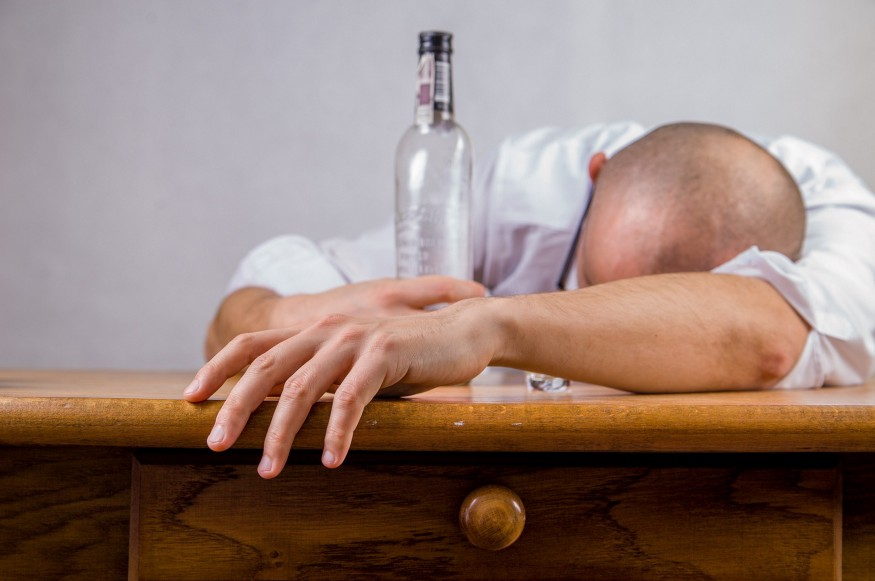
Nearly every corner of the globe has its own style of alcoholic beverages. And along with them, a wide variety of helpful, useless, and downright weird hangover cures.
In Colombia, it’s an egg dish called changua. In eastern Europe, it’s pickled sausages or a shot of brine. A full traditional breakfast reigns supreme in Ireland. In Russia, the cure is kvas, a soupy drink of magnesium-rich rye bread mildly fermented with yeast and sugar. The Japanese prefer umeboshi, pickled plums soaked in salt and green tea.
When I lived in the States, the “hair of the dog” recipe was always a strong vodka Bloody Mary loaded with hot sauce and any pickled veggies I could find in the fridge. Here in Mexico, we go for a seafood dish called Vuelve a la Vida or, more often, we mix up a quick Michelada.
If you’ve been one to overindulge on occasion, you’ve probably tried a few of these cures yourself. I must confess that I’ve tried some crazy concoctions to ease my own hangover pain. (On more than one occasion.)
These days, with CBD’s overwhelming popularity and a seemingly endless range of therapeutic benefits, many people are asking if CBD can also help with the dreaded “day after.”
Let’s check out the facts.
What Causes Hangovers?
Magazines show sexy, smiling faces drinking expertly packaged beverages in fancy glasses. But despite all the clever marketing, alcohol is still a highly toxic substance.
Ethanol, the primary active ingredient, is a highly volatile chemical solvent that makes an excellent disinfectant because it kills everything it touches. Our bodies can handle this poison at about the rate of one drink per hour, but binge drinking or long-term excessive alcohol consumption carries serious health consequences.
Furthermore, when we digest ethanol, it transforms into an even more noxious substance called acetaldehyde. This insidious little chemical builds up in the body when we drink too quickly and is the main reason why binge drinking does so much damage and can even be fatal.
During the digestive process, the liver turns acetaldehyde into an acid that damages cell membranes, causing scarring and problems with brain activities such as memory. Acetaldehyde and its related acid also lead to hangovers, provoking headaches, digestive upset, rapid heartbeat, and anxiety.
Alcohol consumption also causes severe dehydration because it inhibits the release of vasopressin. Vasopressin is a hormone that signals our bodies to recycle liquids instead of excreting them in the form of urine.
The repression of this vital hormone is the main reason why we have to run to the restroom frequently when we imbibe. Excessive urination leads to dehydration and hangover symptoms like fatigue, brain fog, dry mouth, body aches, dizziness, and irritability. Sounds like fun, eh?
Well, that’s not all. Long-term vasopressin inhibition can also cause kidney problems, blood pressure changes, and disruptions in the balance of salts in our cells.
Despite understanding the damage alcohol does to our bodies, many of us will find ourselves overindulging and suffering the consequences (again). So, let’s take a look at how CBD can help.
Can CBD Help with Hangovers?
Before we look into how CBD can help with hangovers, let’s briefly review how the compound works. CBD and other cannabinoids affect the body by interacting with receptors in our endocannabinoid system (ECS).
The ECS is a mechanism that evolved over 600 million years ago as a means to help living organisms maintain internal balance despite fluctuating external conditions. Our endocannabinoid system acts as a master regulator for a host of essential bodily functions, such as:
- Balancing emotions
- Regularizing sleep cycles
- Regulating hormones
- Maintaining body temperature
- Controlling inflammation and immune responses
Now that you have a general idea of how CBD works, let’s take a look at how it may help our bodies deal with alcohol’s aftereffects.
Boosting Endocannabinoid Levels
Studies have found that frequent alcohol intake can lower levels of our internal endocannabinoids, anandamide and 2-AG. Inadequate levels of endocannabinoids can lead to a host of symptoms, including a syndrome called Clinical Endocannabinoid Deficiency (CECD). CECD has been associated with several hard-to-treat disorders, such as migraines, fibromyalgia, and irritable bowel syndrome (IBS).
CBD helps boost natural endocannabinoid levels by inhibiting the enzymes that break down anandamide and 2-AG.
Reducing Nausea and Vomiting
Alcohol upsets the digestive system through two primary mechanisms. First, alcohol triggers the brain’s “vomiting center,” an ingenious mechanism in the medulla oblongata that helps us flush toxins from our bodies. Second, alcohol triggers the production of stomach acids, leaving us with symptoms like heartburn.
CBD helps reduce nausea and vomiting by indirectly stimulating 5-HT1a autoreceptors, which become underresponsive after excessive alcohol intake.
Easing Pain
Headaches and body pain often accompany hangovers, and taking over-the-counter pain-relievers can add to an already irritated stomach and liver.
CBD and other cannabis compounds also help ease pain and are typically well-tolerated by the digestive system. A 2018 peer-reviewed research review concluded that CBD reduces pain through a variety of physiological mechanisms, including interacting with ECS receptors and stimulating the release of neurotransmitters. A separate clinical study, published in the Journal of Pain in 2020, found that cannabinoids like CBD reduced headache pain in their subjects by a full 50%.
CBD for Hangxiety
Because of an initial dopamine release, a few alcoholic beverages may temporarily lift our spirits. But as the saying goes, “What goes up must come down.” Anxiety and depression are common symptoms after heavy alcohol intake. Some people call it “hangxiety,” but I prefer to think of it as the “hangover of the soul.”
Two main mechanisms are involved in the hangxiety phenomenon. First, overworked dopamine receptors become less responsive after we imbibe. Secondly, alcohol exposure boosts our levels of cortisol, a hormone involved in our body’s fight-or-flight mechanism. Excessive cortisol levels lead to anxiety and panic in the short term. If high cortisol levels persist, we can eventually experience weight gain or develop high blood pressure.
CBD helps with both of these alcohol-related anxiety and depression issues. CBD’s ability to stimulate serotonin receptors helps foster a more positive outlook. CBD also calms the amygdala, the part of the brain responsible for signaling cortisol release.
Getting Restful Sleep
If you have the luxury of taking the time to sleep off your hangover, CBD can help you do just that. Laboratory research and anecdotal evidence abound about how CBD can help with anxiety-related sleep problems. Additionally, Kaiser Permanente conducted a large case study, which found that 67% of their patients with insomnia experienced improved sleep cycles after 90-day CBD treatment.
CBD May Also Help Reduce Some of
Alcohol’s Damage.
Although CBD is certainly not an excuse to continue consuming mass quantities of alcohol, the compound may lessen the blow of some of the harmful effects.
CBD is a potent antioxidant with neuroprotective properties.
Alcohol is especially toxic to our brains and nervous system, and prolonged alcohol abuse can deteriorate our nerves and deaden neuroreceptors, leading to painful and disabling conditions like peripheral neuropathy.
Some studies have found that CBD may be up to 50% more effective than vitamin C at combatting the free radicals that lead to neurodegeneration. A preliminary animal study from 2014 found that rats who took CBD thirty minutes before alcohol exposure showed a significant reduction in liver cell oxidation. A second animal study found that CBD may help prevent the characteristic neurodegeneration associated with binge drinking.
CBD helps reduce inflammation.
One of the most well-known properties of CBD is the compound’s ability to reduce inflammation. Alcohol is a major contributing factor to inflammation, and overconsumption can cause the body to become chronically inflamed, leading to serious health issues.
CBD can help stabilize blood sugar levels.
Excessive alcohol intake can cause blood sugar levels to plummet because it disrupts insulin function. Low blood sugar contributes to the shaky, irritable, and dizzy feelings we often feel when we have a nasty hangover. Although more study is needed, researchers studying type two diabetes have found that CBD helps normalize blood glucose levels.
CBD may help reduce alcohol cravings.
Promising research has concluded that CBD may help with alcohol cravings and reduce the instances of relapse during addiction recovery. A 2021 lab study found that cocaine-addicted rats showed less drug-seeking behavior after being treated with CBD.
How to Use CBD for Hangovers
Inhalation is the quickest method for using CBD to relieve hangover symptoms. Personally, I’m picky about my CBD extractions, so I suggest vaping high-CBD hemp flower or even smoking a pre-rolled joint for those rare cases when you overindulge in alcoholic beverages.
However, many people find it more convenient to vape CBD from prefilled vape pens. In that case, I recommend choosing your CBD product wisely as we don’t know the long-term effects of many of the additives in today’s vape oils.
You can also consume sublingual CBD oils or edibles to help with hangovers. But keep in mind that ingested CBD will take up to 90 minutes to kick in, and the effects will last for hours. Consumers should start with a small dose as overconsuming CBD oils or edibles can contribute to next-day grogginess.
Most sources conclude that it’s safe to take alcohol and CBD together in moderation. CBD and other cannabinoids may even reduce blood alcohol levels. However, taking CBD with alcohol can temporarily lower blood pressure and amplify drowsiness, causing lightheadedness, which may lead to an increased chance of alcohol-related injury. You may want to wait until you get home from your outing to take your pre-hangover dose of CBD.
You can also combine methods to reduce hangover pain like only drinking after eating, replenishing fluids with electrolytes, or taking magnesium and vitamin B. Maybe you’ll even cook up a steaming pot of Korean haejangguk or a spicy New Orleans-style yaka mein.
But, when all else fails, why not skip the alcohol and go Cali sober instead?
This article is intended for educational purposes only. Please consult your doctor if you’re having problems with alcohol use or are experiencing any serious health issues. A qualified physician can help you devise a proper treatment regimen for alcohol addiction and determine if CBD is right for you.
Written by Cat Winske
Image by Michal Jarmoluk from Pixabay