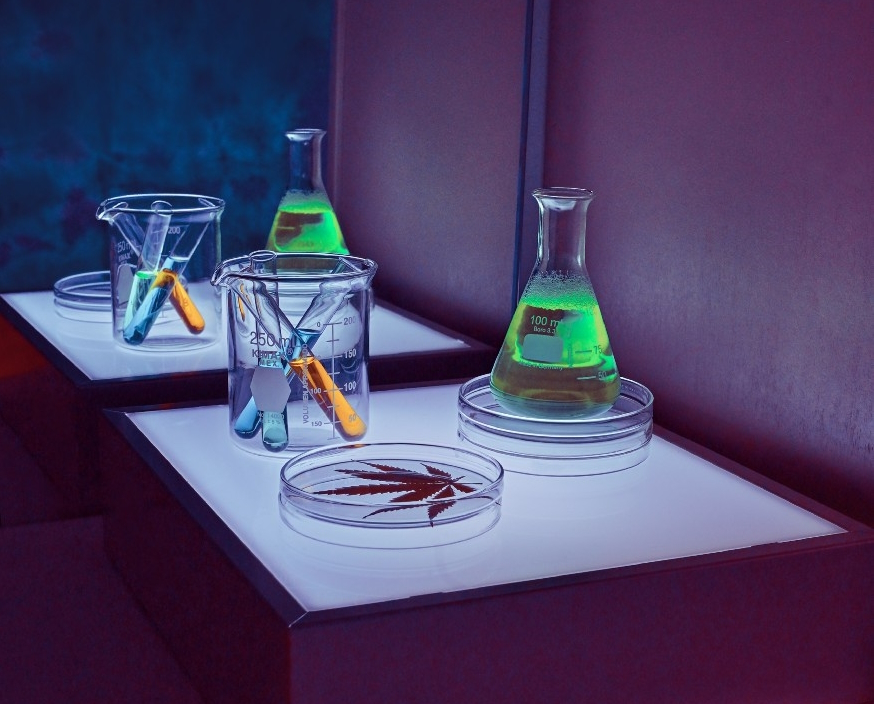
Since Congress passed the 2018 Farm Bill, the market has been flooded with a wide range of hemp-derived compounds. First came CBD and CBG, two therapeutically beneficial and non-intoxicating cannabinoids that exist in substantial quantities in hemp plants.
Next, we started seeing delta-8 and delta-10 THC, naturally occurring hemp cannabinoids that are present in such tiny amounts that most of the products on the market have been synthesized from CBD.
Now, in response to delta-8 bans by several states, hemp companies are filling vape carts and stocking online stores with a controversial new cannabinoid, THC-O acetate. In a recent interview, renowned cannabis researcher Dr. Ethan Russo discussed the compound and advised both manufacturers and consumers, “Don’t go there.”
In a world where a new cannabinoid seems to pop up weekly, what is it about THC-O acetate that’s so bad?
Why does a prominent doctor who spent the last 25 years studying cannabis and helped develop the nation’s first FDA-approved CBD drug advise the public to avoid THC-O acetate?
Let’s take a closer look.
What Is THC-O Acetate?
THC-O acetate, also known as THC acetate ester, is a semi-synthetic derivative of delta-9 tetrahydrocannabinol (THC), the psychoactive ingredient in traditional cannabis plants. You may see THC-O acetate abbreviated as THC-O or ATHC.
THC-O emerged during the controversial Edgewood Arsenal Experiments (1949–75), a decades-long campaign during which the United States government tested various substances for use in chemical warfare.
After finding that test dogs exhibited paranoia when given high doses of THC oil, military chemist Dr. James Ketchum decided to manufacture a supercharged version of the THC molecule. He soon created a compound called EA2233, a THC derivative that was 300% more potent than natural THC. We now know this powerful substance as THC-O acetate.
Soldiers given a mere 10–60 micrograms of THC-O acetate per kilogram of body weight would remain in a noticeably altered state for a full 30 hours. Some subjects would become completely paralyzed after the administration of THC-O. Doesn’t that sound like fun?
How Is THC-O Acetate Made?
Historically, chemists synthesized THC-O acetate from either THCA (the acidic form of THC found in the plants) or THC (the decarboxylated form). In 1974, author D. Gold outlined the process of synthesizing THC-O in Cannabis Alchemy: The Art of Modern Hashmaking, a book of recipes for making potent THC extracts.
The process involved uses extremely caustic chemicals, including sulfuric acid and acetic anhydride, to add an acetyl group to the THC molecule. The result is a compound with three times the potency of traditional THC.
These days hemp manufacturers synthesize the compound from delta-8 THC. As delta-8 is becoming increasingly illegal in many states, manufacturers are left with a large supply of delta-8 distillate and a pool of customers willing to pay big money for a legal cannabis high. Business is business, right?
Pivoting from light versions of THC to one that’s three times more potent may also represent a great big middle finger from hemp companies to regulators who have outlawed delta-8 products.
Is THC-O Acetate Legal?
THC-O acetate still isn’t specifically scheduled on the federal Controlled Substances List. However, the compound may be considered an analog of THC and, therefore, be illegal. We can expect THC-O acetate to be prohibited on a state-by-state basis, similar to what is happening with delta-8.
For now, you can still buy THC-O acetate in many of the same types of products available for CBD, such as oil tinctures, vape cartridges, and gummies.
Written by Cat Winske
Photo by Girl with a Red Hat from Unsplash
This post contains affiliate links, and we will receive a small commission if you make a purchase through one of our links at no extra cost to you.