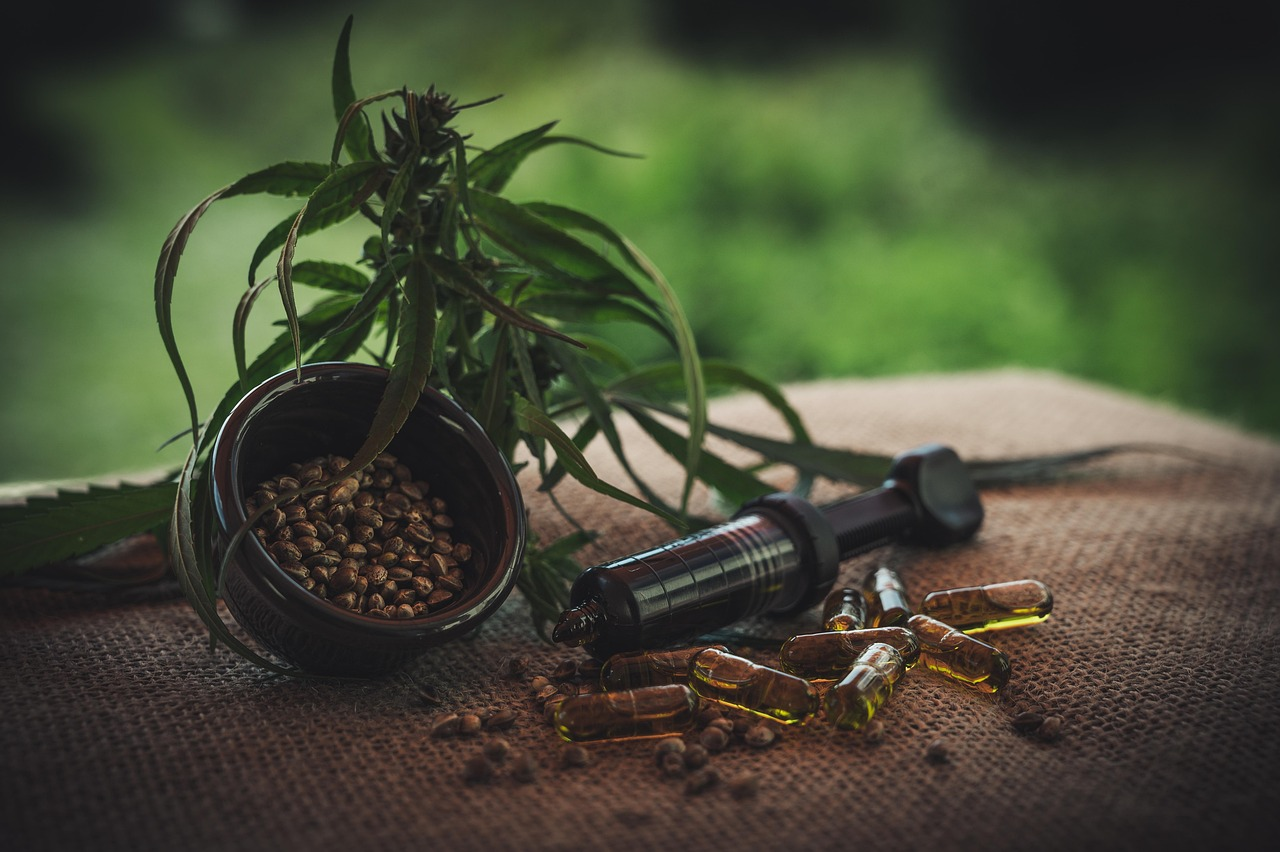
Smoking, vaping, dabbing, tinctures, topicals, edibles, and even beverages—so many methods are now available in the world of cannabis consumption.
For me, being the insomniac that I am, there’s a method I turn to often, whether I need a good night’s sleep, a bit of pain relief, or just looking to relax a little bit. That method is Rick Simpson Oil (RSO). RSO is a cannabis oil named after its creator, Rick Simpson.
In this guide, we’ll take a look at what it is, how to make it, and how to use it. This is your complete guide to RSO.
Who is Rick Simpson?
He isn’t an oil maker, and he isn’t a former engineer who wound up inadvertently becoming a significant figure in the medical cannabis industry. Rick Simpson is a Canadian man who, when told in 2003 “there is nothing more we can do for you” to help him with his health issues, decided to find his own way to cure himself.
To make this short and sweet, Rick Simpson is nothing short of a maverick!
What Is Rick Simpson Oil?
So, what exactly is Rick Simpson Oil (RSO)? It’s an oil extracted by using a solvent-based method. This method lifts all the trichomes, oils, and other favorable components from the cannabis plant and separates them from the gross plant material. Then, the solvent is removed by boiling it off. It’s a highly potent oil with many medicinal benefits.
Although scientific research is still catching up, preliminary studies suggest that RSO
oil can help aid epilepsy, asthma, cancer, insomnia, chronic pain, and many other conditions.
Please note: I am not a medical professional, and this article is meant for educational purposes only. I recommend that you speak to your doctor to find out if Rick Simpson Oil would be beneficial for you.
The Birth Of RSO?
In 1997, Rick Simpson suffered a head injury while at work due to exposure to toxic fumes. He then went to the doctor and, as to be expected, was prescribed a plethora of pills that produced side effects that only caused more harm than good.
In 1998, Rick watched an episode of a show called “The Nature of Things: Reefer Madness 2.” The host, David Suzuki, was interviewing people with serious medical conditions who were using cannabis to treat their medical conditions and had great results. Intrigued by this, he began smoking cannabis and had better results than with the pills the doctors had prescribed.
Simpson had asked his doctor if ingesting the oils from the cannabis plant would be a healthier method, and his doctor agreed that it would.
Though Simpson was not given a prescription for medicinal cannabis from all the doctors he had asked, he began extracting the oil from the cannabis plant himself. And thus, RSO was born.
How to Make Rick Simpson Oil
Supplies
● Cannabis (Strictly of the indica strain)
● Isopropyl alcohol 99%
● Rice cooker
● Coffee filter
● Funnel
● Fan (very important)
● Syringe
Procedure for Making RSO
Surprisingly, making RSO is a fairly easy process. It just takes time and patience (Patience is key) and a few supplies you might already have lying around your house. This process can take anywhere from 3 to 8 hours.
Now, there are much more sophisticated methods of extracting this oil, but the purpose of these steps is to show you how simple it is to do it
yourself.
Step 1: Place cannabis in a plastic container. Keep in mind that how much you use depends on how much oil you want to make. But a good starting point is around 28 grams.
Step 2: Dampen the cannabis with the solvent you’re using and then crush it. If you’re making a large batch, use a stick to break it down. If it’s a small amount, you can just use your hands. Once the material is broken down, add more solvent until it’s completely covered.
Step 3: Drain the solvent in a separate container through a sieve away from the starting material. Once drained, get your funnel and run the solvent through a coffee filter. This process helps prevent any additional plant material from entering the oil.
Step 4: Place solvent into the rice cooker and bring to a boil. Make sure not to go any higher than 270 degrees Fahrenheit/130 Celsius. Use your fan to blow away the fumes from the solvent burning off. This is very important because these fumes are highly
flammable. So be safe! As the solvent boils off, begin adding more, then repeat this process.
Step 5: As the solvent comes down for the last time, add eight to ten drops of water. This allows the solvent to be released as the oil thickens.
Step 6: The solvent will begin to steam, and the bubbling will begin to slow down until it eventually stops. At this stage, your oil is just about done. Prop your rice cooker up so it is tilted, and all your oil will collect on one side.
Step 7: Once your oil is set to one side, stick your syringe into it and begin collecting it. When the oil is warm, it has a thin, runny texture, but as it cools, it takes on a thick, greasy texture.
It’s that easy! Isn’t it hard to believe that all it takes to make your own batch is just a few simple household items? Now that you’ve made your RSO, how should you take it?
Let’s take a look.
Proceed With Caution
RSO is extremely powerful, so don’t try to be a hero, even if you are experienced with different methods of using cannabis. The recommended dose to begin with is about the size of a grain of rice.
Start slow and work your way up from there. Trust me, you don’t want your significant other peeling you off the floor at two in the morning because you took too much.
Conclusion
And there you have it. Next time you have a condition that needs to be treated, and you don’t want to take pills, ask your doctor about RSO. If you choose to make it yourself, remember that the solvent is highly flammable. So, always make safety a top priority.
Store your RSO oil in a cool, dark place that is out of reach of children and pets.
Remember to start with a low dose first until you build up your tolerance. I use RSO to treat my insomnia, and in the time I have been using it, I have never slept
better. In my opinion, RSO is truly the way to go!
Disclaimer: This article is intended for entertainment purposes only. We do not recommend making RSO oil where it is prohibited by law.
Guest post written by Dominic Vega
Photo by Julia Teichmann on Pixabay