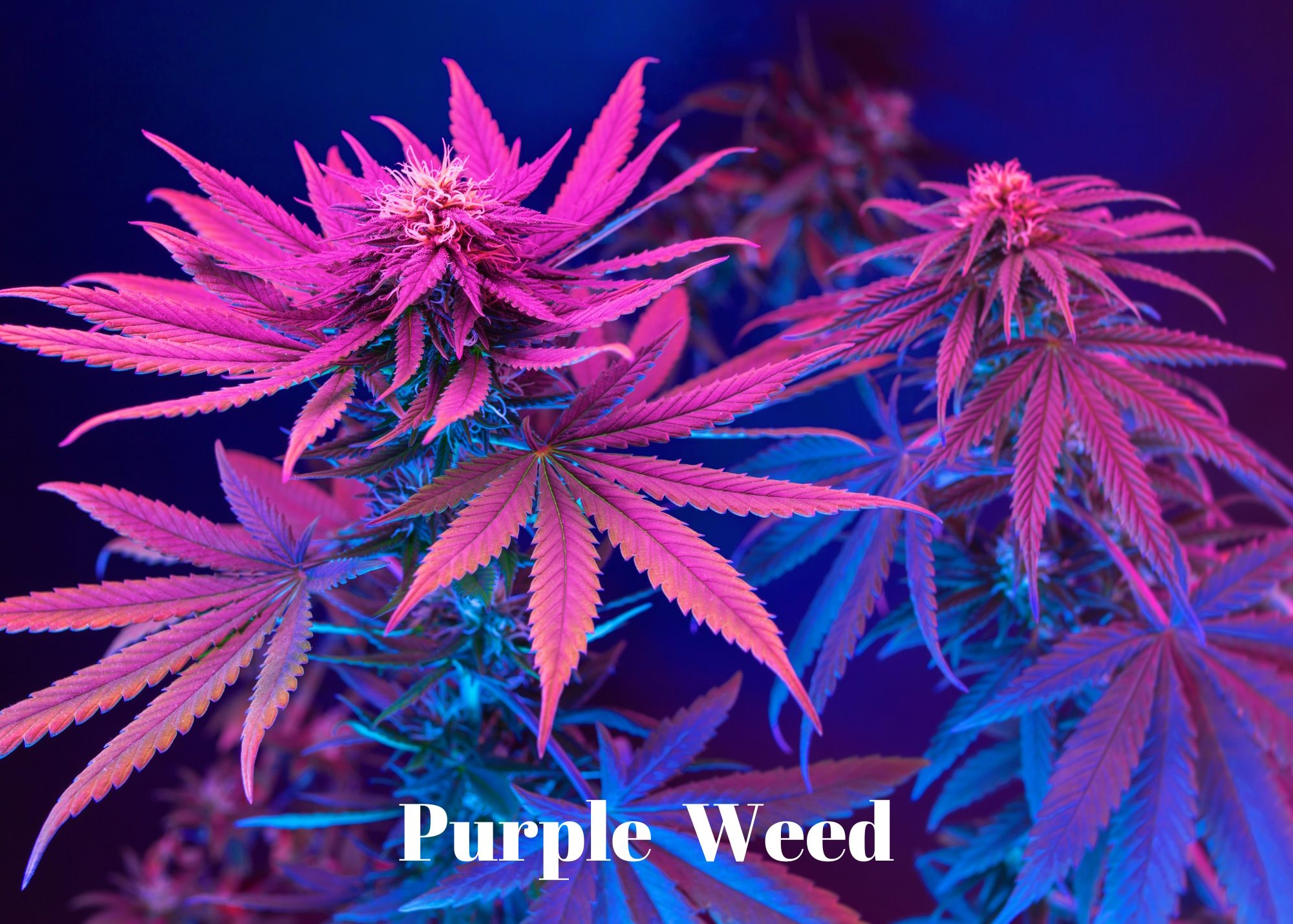
I’ve gotten a lot of feedback from struggling long-term growers as the traditional California cannabis industry continues to collapse.
One common complaint is that today’s consumers only want purple weed. While naturally violet buds make excellent additions to your cannabis collection, much of the purple weed you’ll find on the market is far from the best in terms of quality, effects, or taste.
Let’s take a closer look at what makes cannabis purple and the pitfalls of consuming exclusively purple weed.
What Makes Cannabis Purple?
The pink, blue, and purple colors in cannabis strains come from anthocyanins. Anthocyanins belong to a group of high-antioxidant compounds called flavonoids.
An often-overlooked contributor to the entourage effect, flavonoids are responsible for much of the color, flavor, and therapeutic properties of plants, including foods and cannabis.
Anthocyanins are largely responsible for classifying blueberries as a superfood. Besides being potent antioxidants, anthocyanins possess other beneficial properties, such as:
- Fighting microbes
- Reducing inflammation
- Stabilizing metabolism
- Supporting the liver and heart
- Protecting neurons
However, you would have to consume an enormous amount of purple weed to get any noticeable therapeutic benefits over other strains. Instead, we recommend eating flavonoid-rich foods like blueberries, grapes, tropical fruits, and blue kale to get your daily dose of flavonoids and broaden the range of cannabis you consume beyond the purps.
Naturally Purple Cannabis Strains
Genetics is the most crucial factor for obtaining purple flowers. High-anthocyanin buds are typically indica-dominant varieties. Although not always the case, purple cannabis also tends to contain less THC.
Some examples of naturally purple cannabis strains include:
- Grandaddy Purple: California breeder Ken Estes created his flagship strain by combining Purple Urkle and Big Bud genetics.
- Blue Diesel: A cross between Blueberry and NYC Diesel, Blue Diesel features pink-tinted buds, a berry fragrance, and a relaxing body buzz.
- Purple Haze: Unlike most purple buds, Purple Haze is an energizing sativa-dominant strain. The buds offer a combination of physical energy with dreamy euphoria.
- Blackberry Kush: Indica-dominant is a dynamic cross between Blackberry and Afghani.
- Sour Grape: Sour Grape emerged by breeding Granddaddy Purple with iconic Sour Diesel Genetics.
- Purple Lemonade: This auto-flowering strain features lavender buds, strong indica genetics, and a sweet flavor.
If you’re growing from seeds with high anthocyanin content, you can coax out the purple colors by exposing the plants to lower temperatures. However, be careful not to overdo it, or you could shock your plants, ruining your crop.
Ways Growers Coax Purple Colors from Cannabis
Purchasing the correct seeds is the number one factor in harvesting purple buds. Unless you’ve been sitting around mapping cannabis DNA, you’re unlikely to harvest high-quality purple weed without starting with a strain that is naturally prone to produce abundant anthocyanins.
However, if you begin with the ideal seeds, you can encourage your plants to exhibit more pink, purple, and blue hues. Expert indoor cannabis farmers typically do this by lowering the temperature of the growroom gradually to around 50°F as harvest approaches. In the fall, the chlorophyll in leaves begins to break down, yielding the kaleidoscope of colors we see during autumn.
Another way cannabis growers can enhance the coloring of high-anthocyanin plants is by experimenting with pH levels. For example, ornamental garden flowers like hydrangeas will change color depending on the pH of the soil.
Neutral pH levels typically lead to violet hues, while acidic conditions will bring out pinks and reds. To get blue colors, you may want to adjust the pH toward the alkaline side. Every grower should have at least one pH test kit or pH meter on hand, even when growing traditional green buds. (paid links)
That said, we suggest that you seek the aid of an experienced grower to help you get the most from plants with naturally high anthocyanins. As with cold exposure, extreme pH changes can ruin your entire crop instead of getting your desired results.
How NOT to Get Your Buds to Turn Purple
There are a few myths floating around about how to get purple colors to emerge, including:
- Nitrogen overloading: While nitrogen is an essential nutrient for cannabis plants, applying too much nitrogen will yield brown, tasteless buds instead of majestic purple flowers.
- Cutting oxygen or CO2 levels: Reducing oxygen and CO2 below recommended levels may produce purple flowers, but the buds will be unhealthy, and the crop will be diminished in yield, potency, and taste.
- Adjusting watering schedules: Contrary to the popular myth, varying watering schedules don’t affect anthocyanin production and will not yield purple buds.
- Increasing light intensity: Cannabis strains without the genetics to produce high anthocyanins will end up burnt and yellow instead of purple.
- Freezing: Some novice growers try to turn cannabis purple by flushing the plants with ice water or flash-freezing them. While flash freezing of freshly harvested buds may preserve terpenes and cannabinoids, the technique won’t change the color of the buds.
- Dyeing: Believe it or not, some growers are so desperate to produce purple buds that they dye them with food coloring. This practice is not only unethical, but it doesn’t work.
This post contains affiliate links, and if you purchase seeds through Seedman, we’ll receive a small commission at no additional cost to you. Additionally, as an Amazon affiliate, I earn from qualifying purchases.
Image from Canva Pro, edited by Cat Winske